The final numbers
US consumers spent $26.4 billion online during Prime Day 2026 — all four days combined. That's up 9.3% from last year's June event. Advertiser ROAS across tracked accounts reached $4.59, up 12.8% year-over-year. The topline looks solid. The mechanics behind it are more interesting.
A quarter of Prime Day spend moved to DSP
For the first time in Prime Day history, roughly 25 cents of every Amazon Ads dollar during the event went through Amazon DSP. That's not a minor reallocation. Prior Prime Days typically saw DSP as a supplementary budget line that rounded out a mostly-search plan.
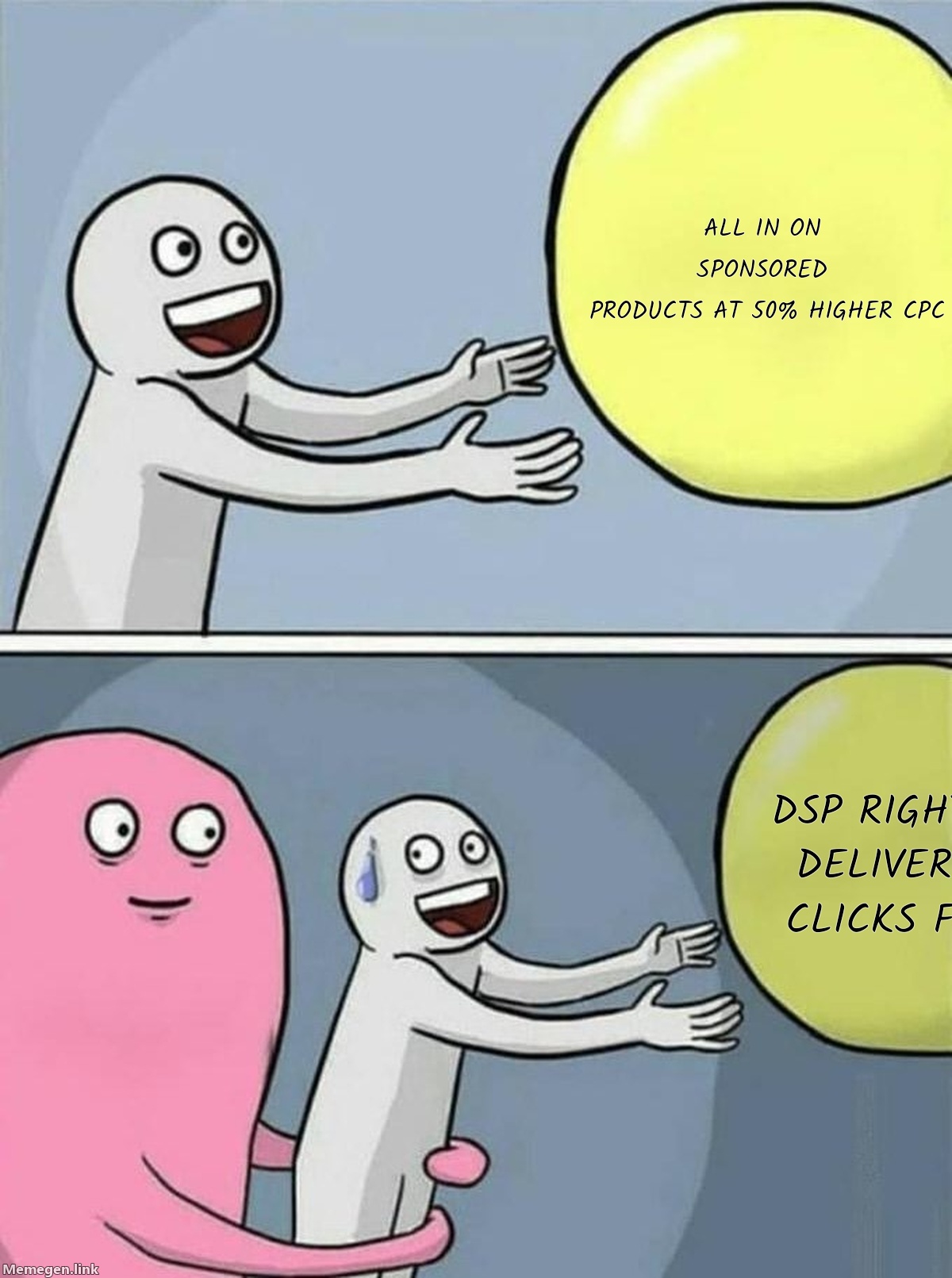
What happened when brands made the shift: DSP delivered more than double the clicks compared to the same budget on Sponsored Products, at about one-third lower cost. Sponsored Products CPCs climbed roughly 50% above baseline during peak windows. DSP clicks, by contrast, came in around 33% cheaper than last year.
That gap — one format spiking in cost while the other got cheaper — is why aggregate ROAS held up even as total spend was roughly flat. It wasn't efficiency magic. It was arbitrage between two formats that priced very differently under identical competitive conditions.
Sponsored Products dominated. That math should concern you.
Sponsored Products captured 86% of Prime Day ad spend, up from 80% last year. They generated 79% of ad-attributed sales. Before accounting for the CPC premium, the format was already delivering below its spending share.
Sponsored Brands was the standout inside the search stack. Spend was up 209% over baseline for the event. CTR rose 29%. It posted the smallest cost increase of any Sponsored Ads type, and Sponsored Brand Video performed particularly well above the fold and on product detail pages — consistent with what in-search placement data has been showing all year.
But the format that actually moved the efficiency number was DSP. And most brands left that on the table.
Pacing decided the back half
Format was one variable. Timing was the other.
Brands that front-loaded all their Prime Day budget into the first 24 hours absorbed the most competitive CPCs of the entire event and ran dry before conversion rates peaked. The back half of Prime Day outpaced the front in sales volume. The most efficient time to be spending came after the noisiest bids had already cleared.
The accounts that did best metered budget across all four days, held 40–50% in reserve for days three and four, and didn't chase impression share in the opening windows. That alone compressed effective CPC — not by negotiating better rates, but by avoiding the worst ones.
The brands that outperformed 2026 didn't outspend. They out-timed and out-allocated.
What to do before Q4
You have roughly 60 days before back-to-school campaigns need to be live and about 120 before Black Friday preparation starts. The Prime Day data is fresh and should drive both.
Start building your DSP audience segments now, while the Prime Day behavioral data is still warm. Anyone who clicked your Sponsored Products and didn't convert. Anyone who viewed your product detail pages and bounced. Those segments are worth more today than they'll be in October, when every competitor will be targeting the same pools.
Pull your format-level performance breakdown from Prime Day. Compare effective cost per attributed sale from Sponsored Products against what DSP cost you per click. That gap is the number your Q4 allocation should start from — not some theoretical DSP benchmark, but your own June data.
If your Prime Day budget ran at less than 20% DSP, that's the ratio to revisit before you replicate the same setup for the holiday season.
If you want a clear format-level breakdown of where your Amazon spend is actually efficient, the free audit at Gromerce takes about three minutes.
The brands that won Prime Day 2026 didn't outbid anyone. They out-allocated.
Sources: Acadia, Skai, Measured, June 2026